
If you have read our first post – What is Pilates? – you already have a sense of what the Pilates Method is and where it comes from. Now comes the more personal question: is it right for you?
The short answer is: almost certainly, yes. But let us explain why.
Who is Pilates for?
The beauty of Pilates is that it truly is for everyone. Whether you are recovering from injury, navigating the changes that come with pregnancy or midlife, returning to exercise after a long break, managing a chronic condition, or simply wanting to move and feel better in your daily life – Pilates meets you where you are. It is equally loved by elite athletes looking to improve performance and people who have never set foot in a gym.
Pilates does not ask you to be fit before you begin. It asks only that you show up and pay attention.
The mind-body connection
At its core, Pilates is a mind-body practice. Every exercise is performed with intention and awareness – the mind is not a passenger, it is an active participant in every movement.
This is one of the things that sets Pilates apart from general fitness classes. You are not simply going through the motions. You are learning to understand your own body – how it moves, where it holds tension, where it has learned to compensate. That awareness is genuinely transformative, and it stays with you long after you leave the studio.
What about the equipment?
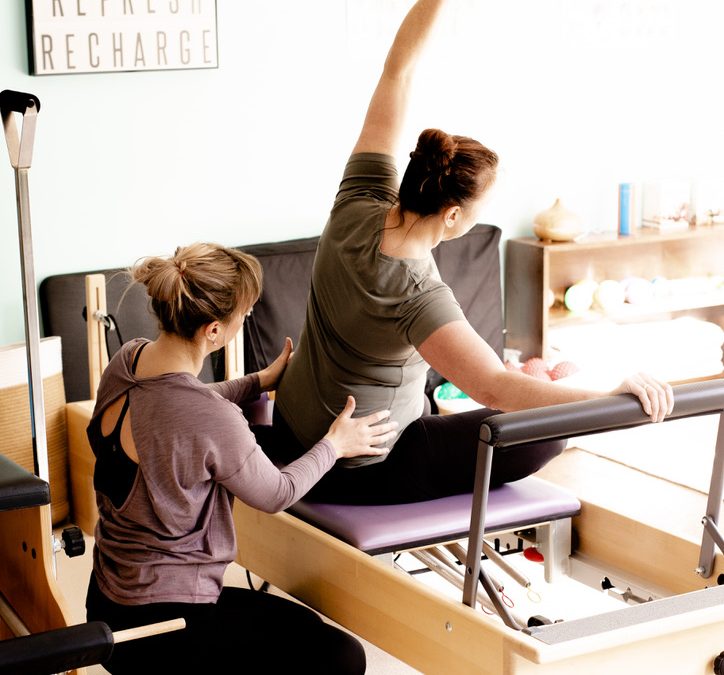
Classes can be performed on a Mat or on specialised apparatus, the most well known being the Reformer – a sliding carriage with springs that provide adjustable resistance. Other equipment includes the Trapeze Table, Chair, Ladder Barrel, and Spine Corrector. Each piece is designed to support, challenge, and refine movement in different ways, giving the teacher a wide range of tools to meet each client’s individual needs.
With so many options out there, it is worth taking a moment to think about what you are looking for. Not everything currently offered under the Pilates name follows the full Pilates Method – and that is okay, movement is always beneficial – but there is a difference between applying some Pilates exercises and truly understanding the why behind each one.
Choosing the right studio
If you have an injury, a medical history, or specific goals, small group or private sessions with a qualified teacher are worth seeking out. The teacher needs to be able to see you, understand how your body moves, and adjust your programme accordingly. That is simply not possible in a large class environment.
At a good Pilates studio, you will find teachers who have invested years into their training – not just one course, but an ongoing commitment to learning and refining their craft. Being able to truly see how someone moves, identify what has changed in their body, and know how to address it, is a genuine skill. It takes time, experience, and a deep love for what they do.
So as you explore your options, don’t be afraid to ask about your teacher’s background and approach. The right studio will always be happy to have that conversation – because for them, it’s never just about the exercises. It’s about you.
That is Pilates – not just exercise, but a return to how your body was always meant to move.

 English (United States)